


Choosing the right server profoundly impacts your business. Les Olson IT is your business server expert, with decades of experience supporting managed technology and IT.
We’re exploring server types and highlighting the factors that should drive your choice.
What Is a Business Server & Why Do You Need One?
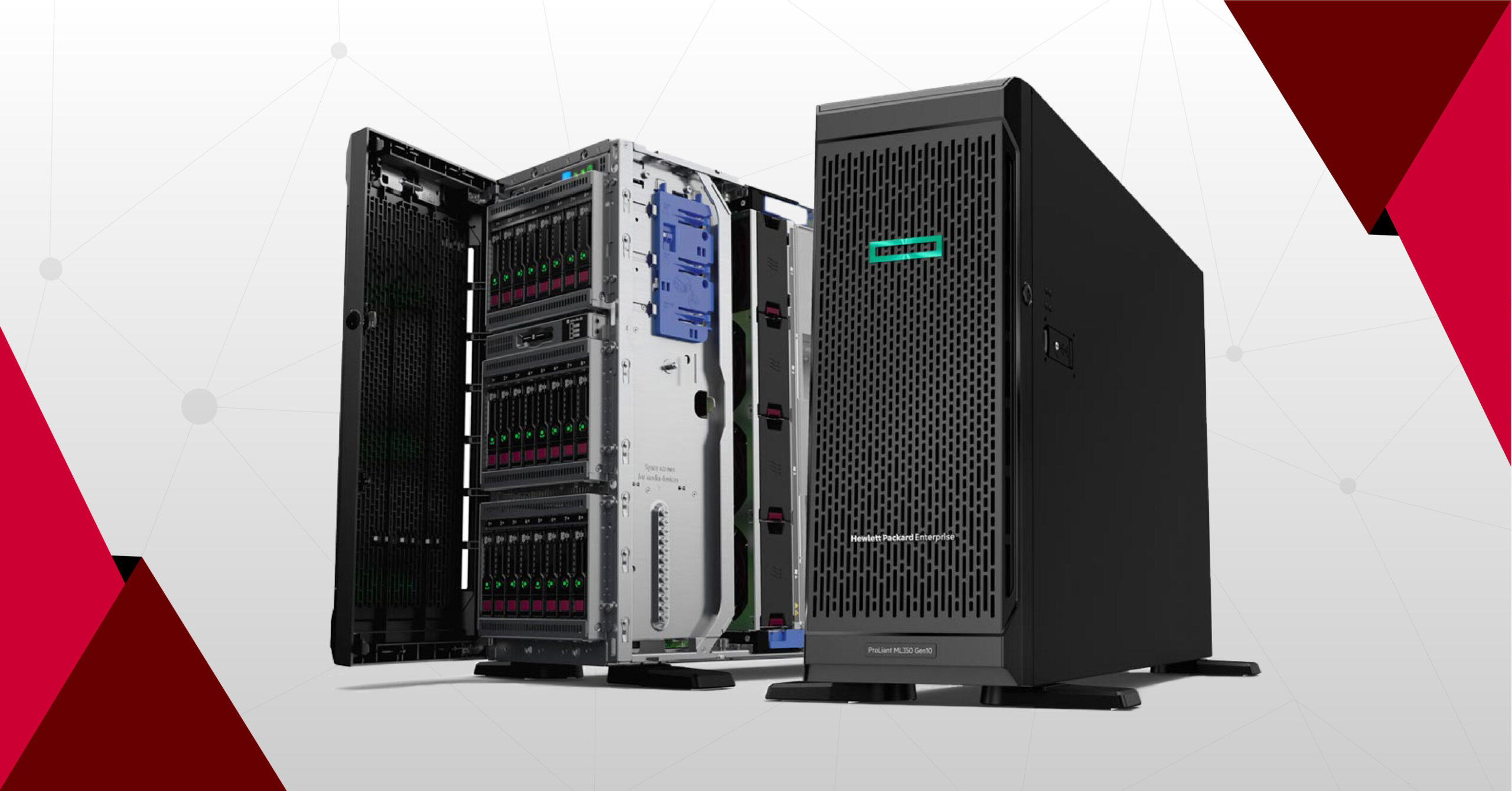
Whether you call them business servers, servers for businesses, or just “the server,” they all do the same job: store, process, and manage the data and applications your team relies on every day. At its core, a business server is the central hub of your digital operations. It’s a powerful computer dedicated to storing data, running applications, and managing resources for all network devices.
It’s the central brain of your office, allowing all devices to work together seamlessly.
A dedicated business server provides a range of fundamental benefits that a simple network of computers cannot. It offers centralized data management, giving you a single, secure location to store and access important files. This is crucial for enhanced security, as it allows for uniform access controls and comprehensive data protection.
Business servers provide the tools and performance needed to run smoothly, boosting efficiency.
On-Premises, Cloud, or Hybrid? Understanding Your Server Options
When it comes to server solutions, the primary choice is between on-premises, cloud-based, or a hybrid of the two. Let’s explore each option’s unique strengths and weaknesses.
On-Premises Servers
An on-premises server gives you full control over the hardware, software, and data.
This requires a hefty one-time investment in hardware and a dedicated team for ongoing maintenance. An on-premise model is best for businesses with strict data privacy/compliance needs, as it offers maximum control and security.
Cloud Servers
A cloud solution hosts your data and applications on remote servers managed by a third-party provider. The key advantages are versatility, remote accessibility, and a lower initial cost, as you pay for what you use.
However, a virtual server means businesses have less direct control and are reliant on stable internet connection for consistent access.
Hybrid Servers
A hybrid server combines both, allowing you to store data locally while leveraging flexibility for other applications. A Hybrid cloud server gives businesses the best of both worlds and the agility to adapt to changing needs.
Ultimately, the choice between on-premises and off-site servers depends on business needs and long-term goals.
Learn how to prioritize cybersecurity in a hybrid workplace.
Key Factors to Consider When Choosing a Business Server
Making the right server decision requires a careful evaluation of several key factors.
Performance and Scalability
Your server must be able to handle not only your current workload but also your future growth. Choosing a scalable server solution ensures your technology can evolve with your business without requiring a complete overhaul.
Data Security and Backup
A business server is a collection of your most valuable data. It’s crucial to choose a solution with robust security features and an automated backup strategy. This protects against data loss from hardware failure or cyberattacks.
Cost and Budget
Evaluating the total cost of ownership is crucial. This includes initial hardware costs, plus ongoing expenses for power, cooling, maintenance, and IT support.
Ongoing Support and Maintenance
Servers require continuous management, including security updates, performance monitoring, and troubleshooting. Partnering with a reliable IT provider ensures that your server remains secure and operates at peak performance.
Les Olson IT: Your Partner in Server Selection & Management
While navigating these choices can be overwhelming, you don’t have to do it alone. Les Olson IT is your expert partner, ready to guide you through every step of the process.
We tailor our services to align with your business through:
- Expert Consultation: Determine the best server solution for you.
- Seamless Implementation: We handle the entire process from start to finish, minimizing disruption.
- Proactive Management: Our managed IT services provide dedicated support, ensuring your server is always secure and updated.
Making an Informed Server Decision
Ultimately, a business server is a critical investment in your company’s future. Making the right choice depends on a clear understanding of needs and a strategy for long-term management.
By partnering with an IT provider, you ensure that your technology serves as a foundation for long-term success. Ready to find the right server for your business? Contact Les Olson IT today for a free consultation and let our experts guide you.
Frequently Asked Questions About Business Servers
What is a business server, and does my company actually need one?
A business server is a dedicated machine that stores and manages the data, applications, and resources your team uses every day; think file sharing, email, backups, and running line-of-business software. If you’re emailing files back and forth or storing critical data on individual laptops, you likely need one.
What’s the difference between on-premises, cloud, and hybrid servers?
On-premises servers live in your office and you manage them directly. Cloud servers run on a provider’s infrastructure and you access them remotely. Hybrid setups split the difference, keeping some workloads local and others in the cloud. The right fit depends on your budget, your IT staff, and how sensitive your data is.
How much does a business server cost?
It depends on the option you choose and the size of your business. On-premises servers mean a larger upfront hardware cost; cloud servers shift that into a predictable monthly fee. Either way, cost should be weighed against downtime risk, not just the price tag.
How do I know when it’s time to upgrade or replace a server?
Slow performance, frequent crashes, and running out of storage are the obvious signs. Less obvious: if your server can no longer run current security patches, that’s a bigger risk than the slowdown itself.
How can Les Olson IT help me choose the right server?
Our team looks at your current setup, your growth plans, and your budget before recommending on-premises, cloud, or hybrid. We handle the selection, setup, and ongoing support so you’re not managing it alone.